Ok, here we go. I’m preparing a solo thru-hike of the Western Hajar Mountains (209km). Follow my progress here.
Update: because of the unrest in the Middle-East I needed to post-pone my attempt. I was planning for March 2026, but will need to reschedule to either november 2026 or early 2027. As alternative, I went for a second attempt of the Drakensberg Grand Traverse.
My failure to finish the Drakensberg Grand Traverse sucked for a brief moment. And already the day after, I was planning a new attempt in my head. March didn’t feel right with stories on unpleasant encounters un the trail in the months leading up to winter, and I didn’t crack the challenge to prepare for altitude sickness (yet), so no Drakensberg Grand Traverse attempt in 2026.
So, I quickly set my eyes on alternatives. For a moment, I considered the remote Omine Okugake Michi part of the Kumano Kodo in Japan (I had done the other parts already before), but eventually settled on the Western Hajar Mountains. Challenging, but not un-doable. Great weather. Easy to access. And bringing back some of my great memories of the Jordan Trail.
This post is work-in-progress. I will add content when the hike comes closer and when I’ve finished the traverse.
The Western Hajar Mountains and Oman.
Most of us wouldn’t be talking about the Western Hajar Mountains without the work of John Edwards (and, as he graciously mentions every time, his many Omani friends). He published *the* handbook for hiking the Western Hajar Mountains called ‘Wilderness trekking in Oman‘ and publishes the Hajar Hiking website that comprehensively collects maps, experiences and other information. Over multiple years, he was able to collect and connect multiple local trails into the 209km Traverse of the Western Hajar Mountains from Al Afyah to Yiqa and Highway 10 we know right now.
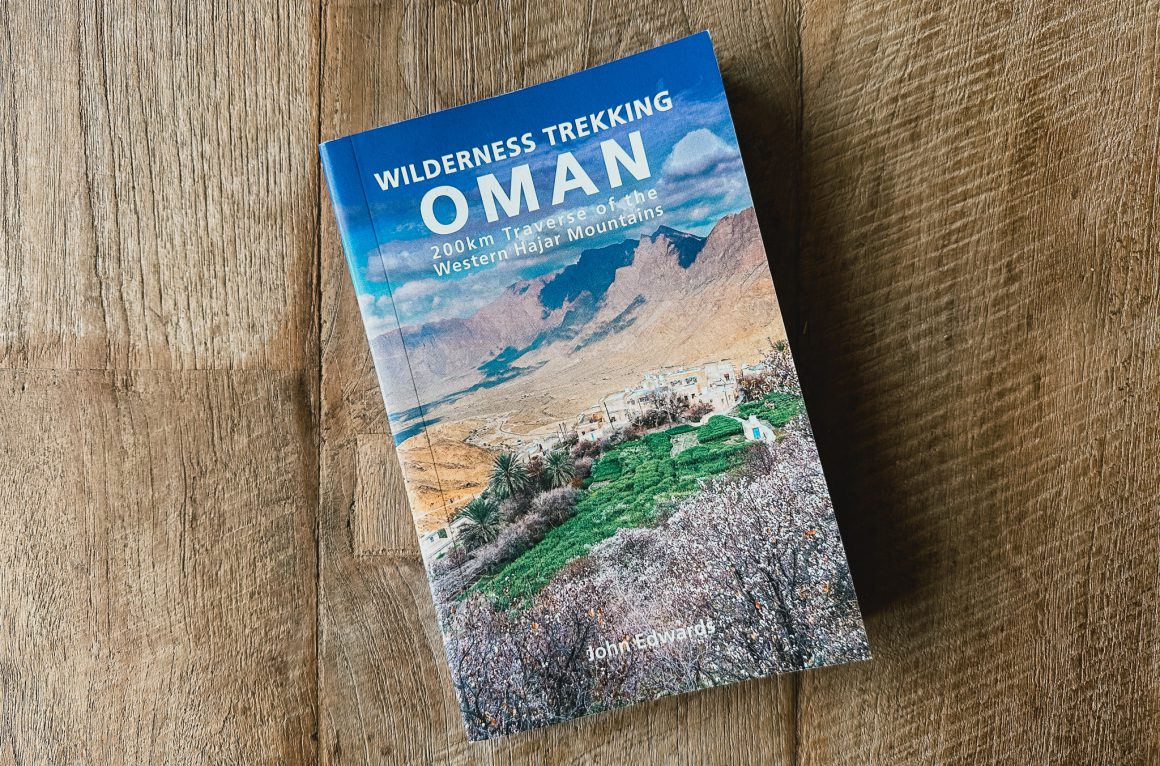
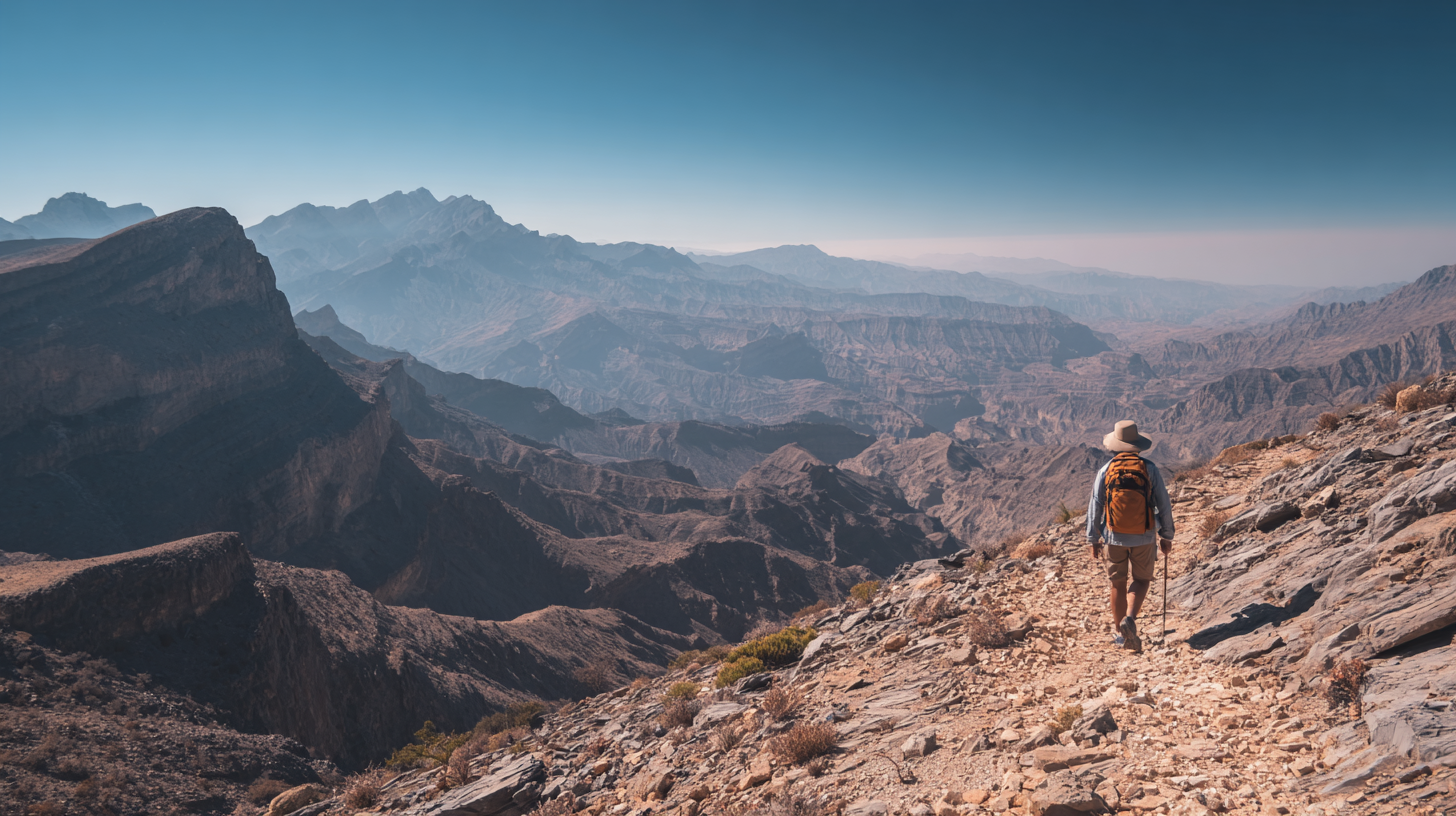
The Western Hajar Mountains feel like one of Arabia’s best‑kept secrets for trekkers. Over centuries ancient paths and donkey tracks were stitched along jagged ridges, limestone escarpments, and deep wadis; and today you can still follow them far from paved roads and crowds. The classic point‑to‑point traverse runs the spine of the range, climbing up to nearly 3,000 m and threading between villages tucked into cliff ledges and dry valleys where electricity never arrived.
Most of the route isn’t waymarked, so GPS and route sense are part of the adventure (not dissimilar to my earlier Jordan Trail experiences), and only a handful of sections have paint marks. You’ll descend steep escarpments into remote wadis and climb again to plateaus that feel entirely untouched, all while occasionally spotting caravan tracks once used to link trading points and shepherd camps. Water lives in old springs, falaj systems, and scattered reservoirs, and there’s a real sense of walking alongside deep history, past Bronze Age features and terrace gardens still watered by gravity.
Despite all that, the trail is remarkably easy to access (which was one of the reasons for me to opt for the trail). It is about a one hour drive to reach the trailhead near Al Afyah and about an hour-and-a-half to get from the end point back to Muscat. Muscat has an international airport with convenient connections to most major global airports.
Day -x. Preparing for my solo hike of the Western Hajar Mountains.
The idea in broad strokes:
- 9 days in Oman.
- Fly into Muscat, collect key last-minute needs (gas cannister, fresh fruits, nuts), sleep at hotel.
- Next morning, have transfer to the start of the trail (approx. 1 hour/100km from Muscat).
- 7 days on the trail.
- On semi-last morning/afternoon, have transfer waiting near Yiqa and Highway 10. Sleep in hotel in Muscat.
- Final day, evening flight back home.
This post is work-in-progress. I will add content when the hike comes closer and when I’ve finished the traverse.